
PRODUCTION ENGINEERING
What production readiness and handover should include
A prototype demonstrates an idea. Preparing it for daily use means checking the operating environment and deciding who will handle changes, failures and recovery.
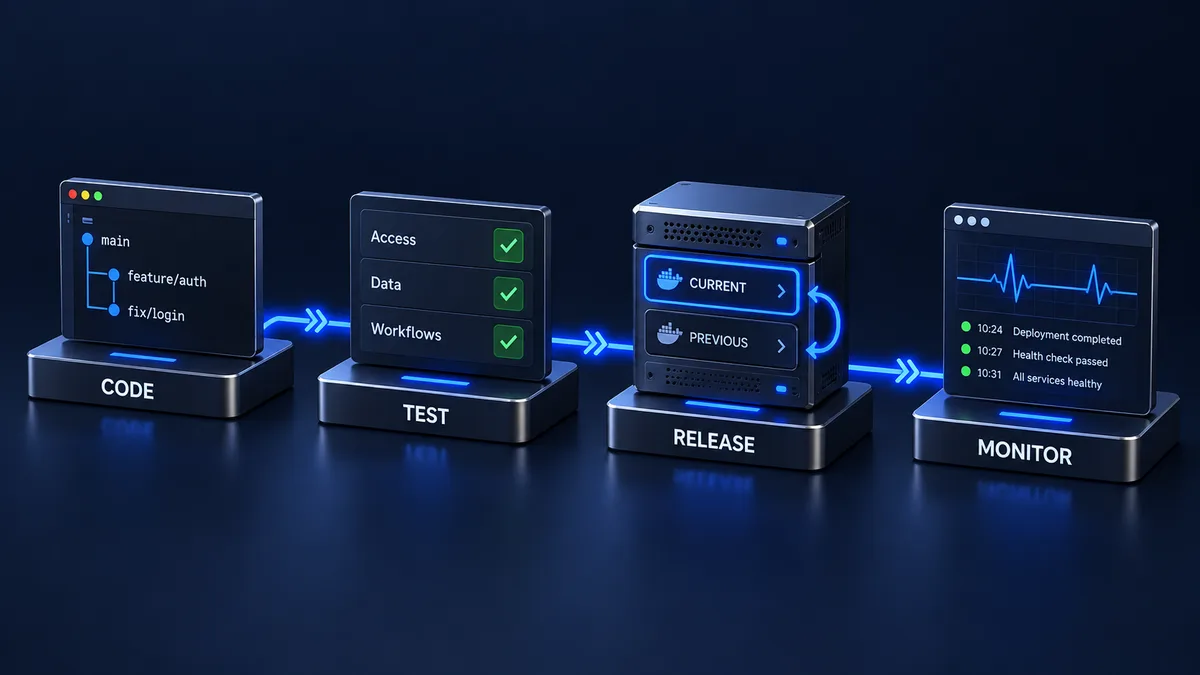
KEY DECISIONS
- Test the journeys the business depends on
- Distinguish local checks from live verification
- Agree on recovery and handover responsibilities
Start with the critical path
Choose the journeys whose failure stops useful work: signing in, finding the correct record, approving it and receiving confirmation. Exercise success, denied access and unavailable dependencies. Keep a short evidence record stating the environment used and what remains unverified.
Plan how to stop a bad release
Define the signals that trigger a pause or recovery. Google SRE describes canary releases as a way to expose a change to a limited population before wider rollout. Choose a rollout method appropriate to your system, and verify that recovery also accounts for data changes.
Make ownership concrete
Agree on repository access, hosting accounts, licensed components, data exports and operating notes. Name the people responsible for acceptance and support. Response windows and ongoing maintenance belong in the agreed scope; a successful build alone does not establish those commitments.
APPLY THE GUIDE
Need help with apps?
Bring the current workflow, website, or unresolved decision. We will start with the smallest useful next step.
Discuss your projectKEEP READING
Related field guides.
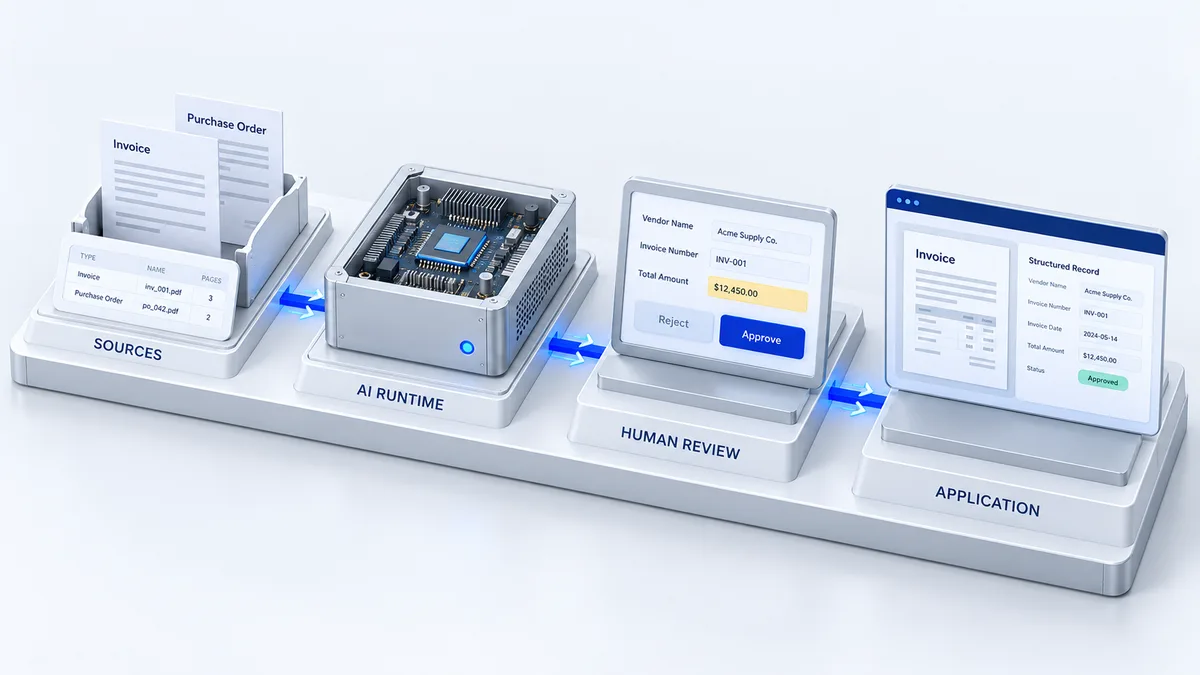
AI ENGINEERING
How to evaluate an AI workflow before launch
Define useful outputs, test difficult inputs and separate AI suggestions from approved actions.3 min read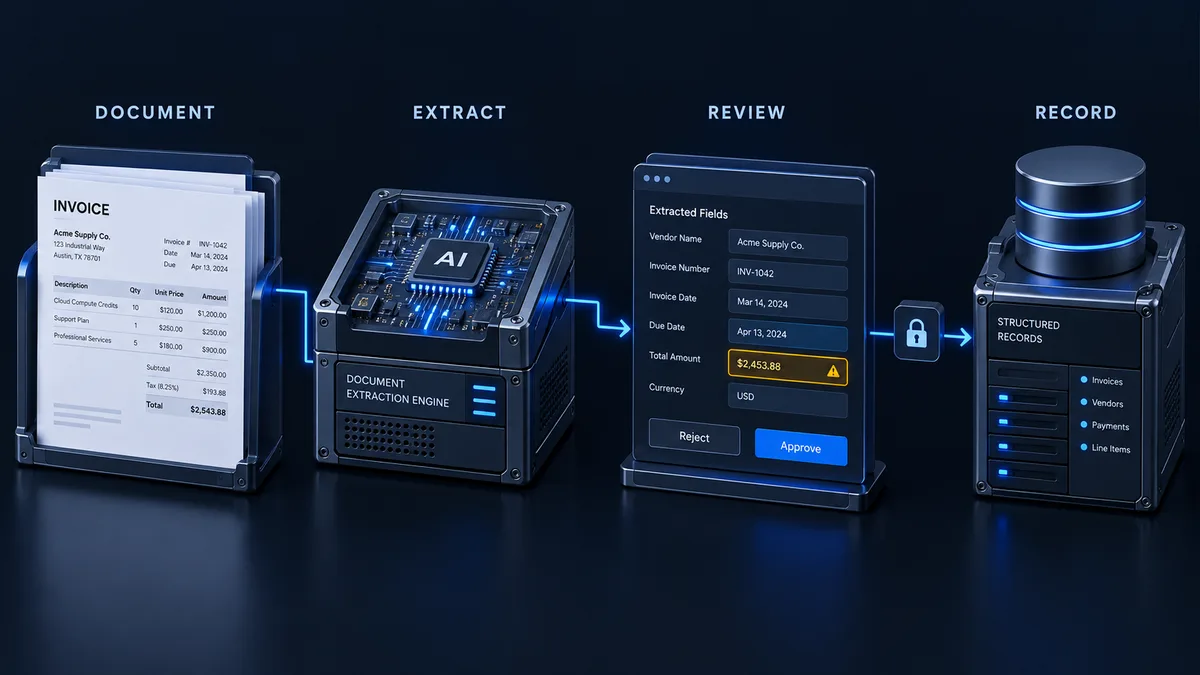
CONNECTED OPERATIONS